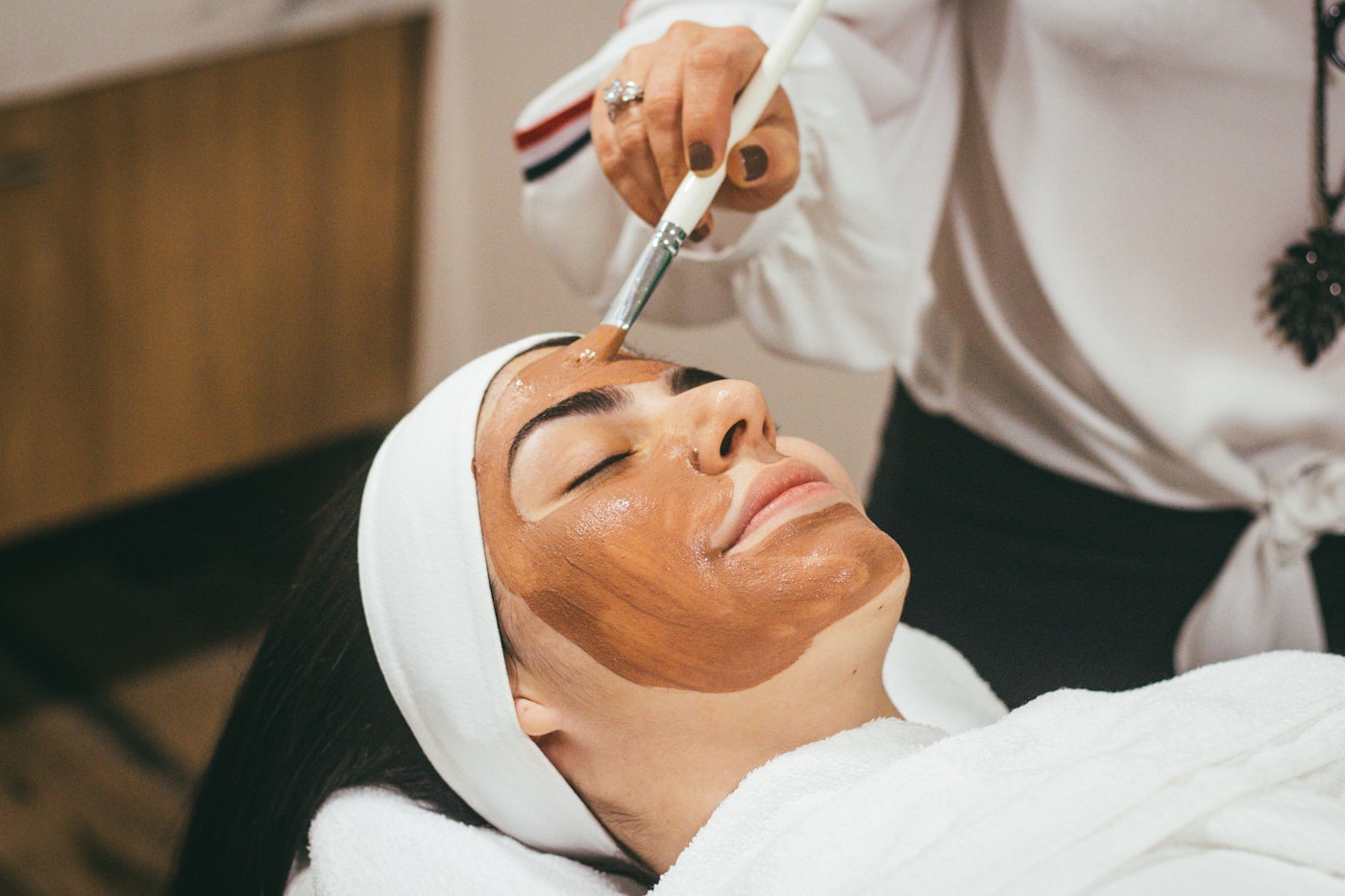
Gua Sha: What It Is, and Whether It's Worth It
A grounded look at gua sha — the ancient practice, what the evidence says, and how to make it a genuine ritual rather than a trend.
There is something faintly absurd about the way a piece of carved stone becomes a cultural moment. The gua sha tool has spent perhaps two thousand years in the quiet company of traditional Chinese medicine practitioners — pressed against backs, shoulders, necks to shift qi and ease the kind of deep-tissue tension that accumulates like sediment — and then, one unremarkable year, it migrated to beauty shelves and Instagram feeds and began promising chiselled cheekbones in thirty days. I find that trajectory genuinely interesting, even as I approach the promises with scepticism.
What gua sha actually does, stripped of the before-and-after mythology, is fairly modest and fairly good. The scraping motion — always upward, always outward, following the natural drainage paths of the face — encourages lymphatic drainage, nudges away overnight puffiness, and works loose the kind of facial tension that most of us hold without noticing: the jaw we clench during a difficult call, the brow that furrows over a screen. Used as a facial massage, the stone tool asks you to slow down and actually feel the geography of your own face. The jawline, the hollows beneath the cheekbones, the place where the neck meets the skull — these are areas we rarely touch deliberately. There is something clarifying about that contact, separate entirely from whether your face will look measurably different afterwards.
The TCM lineage matters to me here, not as branding but as context. This practice developed within a system that understood the body as something to be maintained through consistent, unhurried attention — not corrected through dramatic intervention. That is a philosophy I find more useful than the transformation narrative the wellness industry tends to reach for. Much like less is more grooming, gua sha makes the most sense when it is an act of editing rather than adding — a removal of excess tension rather than an application of yet another product.
I have used a gua sha stone most mornings for about a year now, and my honest assessment is this: it does not lift the face, it does not permanently redefine anything, and it is not a substitute for sleep or hydration. What it does do is make the first ten minutes of a morning feel intentional. Paired with a face oil — the stone needs slip to glide properly — it becomes a brief, quiet practice that transitions the body from horizontal to vertical, from inert to present. In that sense it sits naturally alongside a ten minutes in the morning approach to facial care: small, repeatable, grounded in sensation rather than ambition.
The jade roller preceded the gua sha boom, and before that there were various other facial tools promising similar lymphatic and contouring effects. The cycle suggests that what people are genuinely searching for is not a specific implement but a ritual — something that makes the daily maintenance of a face feel like a considered act rather than a chore. The gua sha stone happens to be a particularly good vehicle for that. It is cool, weighted, and shaped to sit in the hand with intention. Whether it is rose quartz or bian stone or simple stainless steel matters far less than the steadiness you bring to using it.
The stone itself does not do very much. The attention does.

How to Find Your Signature Scent
Finding a fragrance that feels like you — not a purchase, but a discovery. A slow guide to navigating perfume.

How to Fall Asleep Faster
The small, evidence-backed habits that make the difference between lying awake and drifting off with ease.