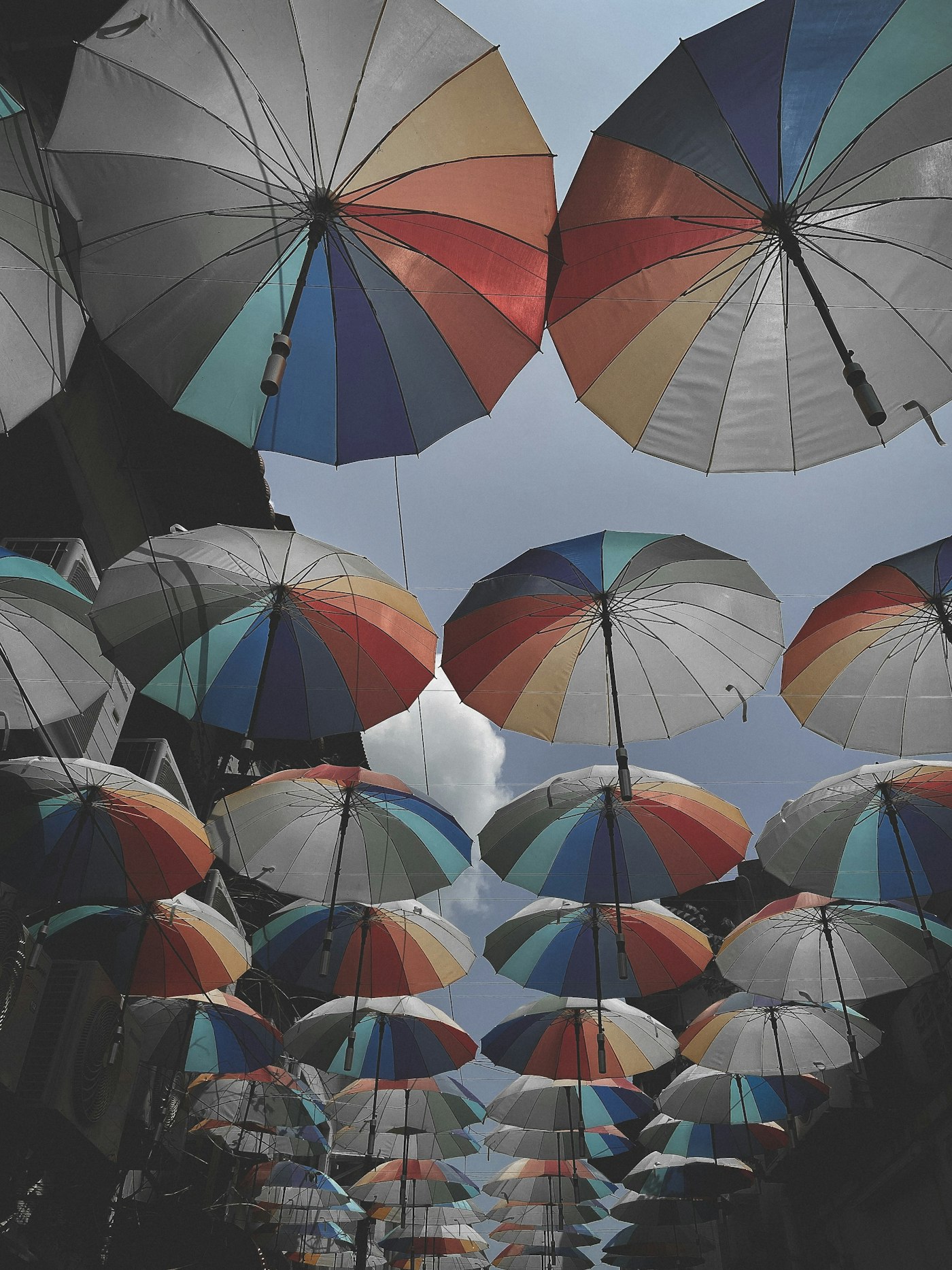
Walking George Town
A morning on foot through the UNESCO heritage zone — the clan houses, the street art, the coffee shops that have been open since before anyone thought to write them up.
Start at the ferry terminal and walk toward the water. This is the oldest part of Georgetown, the part that was here when Francis Light dropped anchor in 1786 and declared that the East India Company now had a presence on the western approach to the Strait of Malacca. What remains from that era is not the British presence itself — which has receded into building names and a fort — but the city that grew up around it: Chinese, Indian, Malay, Eurasian, the whole polyglot consequence of a trading port that was for a while the most important in Southeast Asia.
The UNESCO designation came in 2008. It was, by most accounts, overdue.
The heritage zone covers roughly two square kilometres of the old city, bounded by water on one side and the newer districts on the other. Within it you can walk for hours and keep finding things that have no obvious explanation except that they have been here a long time and no one has got around to changing them. The five-foot ways — the covered pedestrian walkways built into the shophouse facades — create a continuous covered route through the neighbourhood that carries you past provision stores, clan association offices, goldsmiths, coffee shops that serve their coffee in glasses rather than cups and consider this a perfectly adequate container.
The coffee matters. Penang’s kopi culture is its own subject. The beans are roasted with sugar and butter until they emerge dark and caramelised, then brewed in a sock — a flannel filter that produces a thick, aromatic coffee with a sweetness underneath the bitterness. At the old kopitiam on Lebuh Chulia, the man behind the counter has been making it this way since before the heritage designation, before the street art, before the Lonely Planet entry that now brings people to his counter holding phones. He makes it the same way regardless.
The street art is a more recent addition — the iron rod sculptures and painted murals that Ernest Zacharevic installed in 2012 for the George Town Festival, which became so famous that the city has continued commissioning work ever since. The original Zacharevic pieces — Children on a Bicycle on Ah Quee Street, the boy on the swing on Armenian Street — have been visited so many times that the paint is starting to soften. They are still worth seeing, but the more interesting discovery is the older art you find between them: the signboard calligraphy on the medicine shops, the hand-painted tiles in the clan house courtyards, the colonial pediments carved with pineapples and lotus flowers by craftsmen whose names have not been recorded anywhere.
The clan associations — the kongsi — are the hidden architecture of Georgetown. Every major Chinese dialect group established one: the Lim and the Cheah and the Khoo, each building a ceremonial hall that functioned as temple, community centre, and mutual aid society for immigrants who had arrived with nothing in a city that offered everything and nothing in equal measure. The Khoo Kongsi on Cannon Square is the grandest, its roofline dense with ceramic figurines and its interior painted in the colours of a dynasty that no longer exists. I spent an hour there on a Tuesday and was nearly alone. This seemed improbable.
On Armenian Street there is a building that is always crowded now but was just a ruin fifteen years ago: the Cheong Fatt Tze Mansion, the Blue Mansion, built in the 1880s by a man who became one of the richest merchants in Southeast Asia and built his house with indigo-dyed walls, louvred teak shutters, and an interior courtyard that channels the afternoon breeze. The tours run throughout the day. The house earns your time.
The logic of walking Georgetown is the logic of slow travel generally: you do not see things so much as you accumulate them. The neighbourhood has a quality of layering that rewards return — each visit surfaces something you missed. The morning is the best time, before the heat arrives fully and before the day tourists have oriented themselves. By nine the coffee shops are full of people who have been awake since before you, and the five-foot ways carry the smell of incense from the clan house altars that have been lit since dawn.
The afternoon belongs to the interior rooms and the shaded courtyards. Save Penang Hill for late morning or early afternoon, when the view from the summit will show you the heritage zone from above — the same streets compressed into a pattern, the same chaos made briefly legible. Looking down from there, the city makes a different kind of sense. So does the decision to spend a day walking it at street level first.
Come back at dusk. The evening light on the shophouse facades is the colour of the old photographs. For a moment the city looks like what it is: a place that has accumulated a great deal of time and is, broadly speaking, at peace with it.
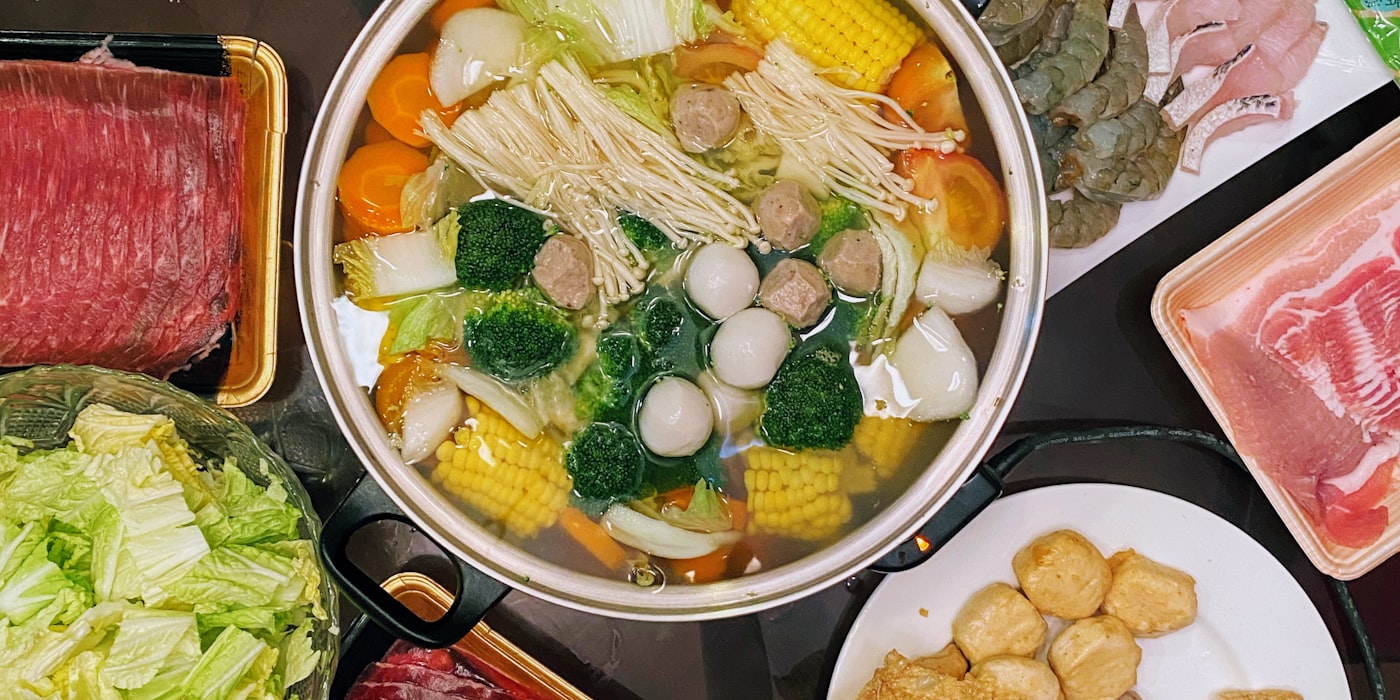
Steamboat Nights and Nyonya Kitchens: The Other Penang Table
On the communal steamboat pot, the Peranakan kitchen, and the slower, quieter side of eating in George Town.

How to Fall Asleep Faster
The small, evidence-backed habits that make the difference between lying awake and drifting off with ease.