Steamboat Nights and Nyonya Kitchens: The Other Penang Table
On the communal steamboat pot, the Peranakan kitchen, and the slower, quieter side of eating in George Town.
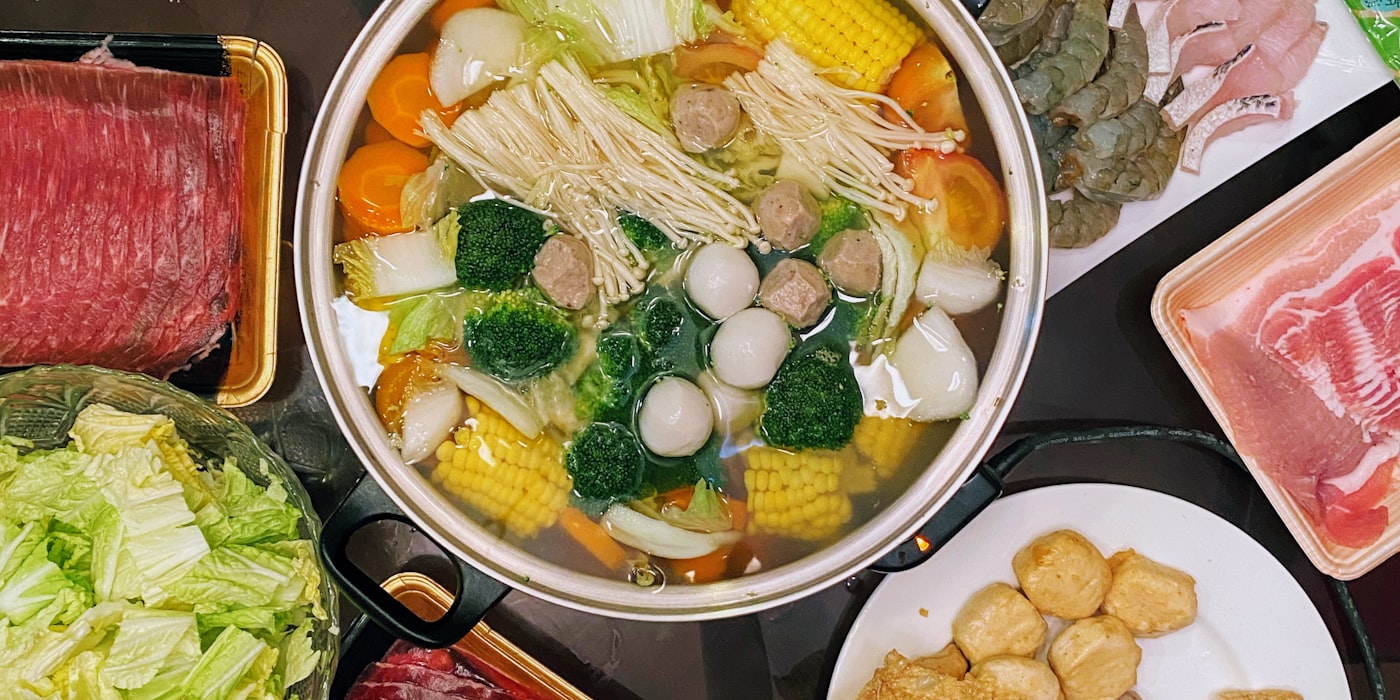
The steam rises before you sit down. It comes from the clay pot or the steel vessel at the centre of the table, the broth already working — sometimes clear and ginger-bright, sometimes made dark with spices — and it tells you that this meal is not served so much as conducted. Everyone at the table has a role. The uncooked prawns are passed around. The fish balls go in next, then the leafy vegetables that need less time, then the noodles that need even less. The pot belongs to no one in particular and everyone collectively.
Steamboat is one of the oldest ways of eating in Penang’s Chinese community, predating the hawker stalls and the kopitiam counters that get most of the city’s culinary attention. It is a domestic format, its natural home the family table on a rainy evening, though in Georgetown it long ago made the journey to restaurants and became available to anyone willing to gather a few people and commit a few hours to a meal.
The best steamboat in Penang is built around what the island has: seafood. Tiger prawns that come in whole and turn pink in the broth in under three minutes. Squid cut into rings that curl as they cook. Fish paste hand-rolled into balls with the texture of something between tofu and flesh. Clams in the shell that open in the stock, releasing a saltwater richness that changes the broth entirely in the second half of the meal. The restaurants along Gurney Drive and the seafood strips north of town bring their catch in fresh; by evening, what you are eating has spent most of its day in the water.
This is not the fast, solitary eating of the hawker stalls and kopitiam counters. It is slow and social and asks you to pay attention differently — not to the speed and skill of a cook at a wok, but to the timing and conversation at your own table. You eat what you cook. You cook alongside the people around you. The meal lasts as long as the company warrants.
The Nyonya kitchen is a different kind of patience altogether.
Peranakan culture — the culture of the Straits Chinese, descendants of merchants and traders who arrived on the Malay Peninsula and married into local society — produced one of the most specific and intricate cuisines in Southeast Asia. The Nyonya cooks, the women who held the tradition, worked at the intersection of Chinese technique and Malay spicing and an invented middle ground that belonged to both and neither. They used coconut milk and lemongrass and galangal and dried shrimp paste alongside pork and tofu and the fermented soybean sauces that came from across the South China Sea. The result was food that could only have been made here, by people who belonged nowhere except here.
Babi pongteh — pork braised with fermented soybean paste, palm sugar, and mushrooms — requires the kind of time that all serious braises demand. The dark sauce it produces is sweet and savoury and earthy, and it is eaten over white rice with a spoonful of the braising liquid poured over everything. Ayam buah keluak, chicken cooked with the black Pangium edule nut, is stranger still: the nut’s dense interior is extracted, mixed with shrimp and spices, and packed back into the shell before going into the curry pot, where it makes a thick, intensely flavoured paste that dyes the dish midnight-dark. It tastes like nothing else in Malaysia. It is available in perhaps a dozen restaurants in Georgetown, and each of them has a slightly different version.
The old Nyonya restaurants sit in the heritage shophouses of the city centre, in the same buildings that have housed every kind of trade and enterprise in Georgetown’s long history. The cooking is not fast and the menus are not short. Order the otak-otak — fish and spice paste steamed inside a banana leaf into something dense and deeply fragrant — and the prawn sambal and the white rice that arrives in a small covered vessel to keep warm. The kuih, the small Peranakan sweets and cakes made from rice flour and pandan and coconut milk, come after. They are the colour of jade and moss and pale cream, and they taste of the tropics in a way that is not a metaphor.
What steamboat and Nyonya cooking share, and what separates both from the efficient solo eating of the nasi kandar counter, is an assumption that eating is something you do with other people and that a meal is worth the time it takes. Georgetown built its worldwide reputation on food that is fast and hot and ready when you arrive. The other table — the steamboat pot clouding the air above it, the Nyonya kitchen that has been working since morning — offers something quieter: the understanding that some flavours cannot be rushed, and that the best ones never are.
Come hungry. Bring people you want to spend time with. Stay later than you intended.
Eating Your Way Through Penang
On the island's hawker stalls, its Chinese coffee shops, its Indian Muslim institutions, and why George Town remains one of the world's great eating cities.

How to Fall Asleep Faster
The small, evidence-backed habits that make the difference between lying awake and drifting off with ease.