Eating Your Way Through Penang
On the island's hawker stalls, its Chinese coffee shops, its Indian Muslim institutions, and why George Town remains one of the world's great eating cities.
The first question Penang asks is not where you are going but what you are eating. The second question is when.
These are not the same question. The char kway teow at Lorong Selamat is a breakfast operation, the stall open by eight and sometimes out of noodles by noon. The Hokkien mee at Kimberley Street has its own hours, its own rhythm, and knows nothing of your schedule. Asam laksa at the Air Itam market is best before the lunch crowd arrives. The cendol at the corner of Penang Road is available whenever you want it, which is always, because Penang at midday is thirty-two degrees and the pandan-green noodles floating in a glass of coconut milk and palm sugar are not a dessert so much as a response to your circumstances.
Understanding Penang food means understanding that the island operates on a logic of specialisation. Nobody here is trying to serve everything. The old aunty at her wok on Lorong Selamat has been making char kway teow for decades; she does one thing and she does it in the way she learned it from the woman who taught her, which is not quite the same way anyone else makes it. The man with the prawn noodle soup on Kimberley Street is not the man with the wonton mee two stalls down, and neither of them is concerned with the other’s business. You eat your way through the city by moving between these specialisations, gathering your meal across multiple stalls and multiple streets, returning to favourites on different days.
This is why Penang is not a cuisine so much as a conversation.
The food arrived here the same way everything did: by sea, with the traders. Hokkien Chinese from Fujian brought their wheat noodles and their pork and their technique for smoke-charring wok-fried dishes over fire hot enough to leave a signature on the palate. Tamil Muslims from South India brought the nasi kandar system — rice and curry, assembled at a counter, each combination different from the last. Peranakan cooks, the descendants of Chinese immigrants who married into Malay culture, produced a kitchen that used Chinese technique and Malay spicing and invented something that belonged to neither and both. The British contributed, in the end, primarily the five-foot way — the covered pedestrian walkway that lines the shophouse fronts — which provides shelter while you wait for your food. This is their most enduring culinary legacy.
The result is a food culture that resists easy summarising. The best food in Penang is not concentrated in one market or one street but distributed through the city in a way that rewards walking rather than planning. You discover things by being in the neighbourhood at the right time: a char kway teow stall operating from a cart tucked into a car park, a popiah lady whose fresh spring rolls appear every afternoon on a side street near Gurney Drive, a cendol cart that exists most reliably when the weather is at its hottest, which is most of the time.
If you are going to plan, plan loosely. Gurney Drive Hawker Centre is the obvious starting point — it is large, organised, and operates in the evenings when the sea breeze off the channel makes the heat manageable. The char kway teow, the oyster omelette, the lobak — the spiced pork roll wrapped in tofu skin and deep-fried — are all here, reliably executed and ordered in Hokkien-accented Malay at a volume that cuts through the surrounding din. New Lane Hawker Street, running parallel to Jalan Macalister, has a different energy: narrower, louder, the stalls closer together and the plastic tables spreading out into the road after dark. Eat at both. They are doing the same thing differently.
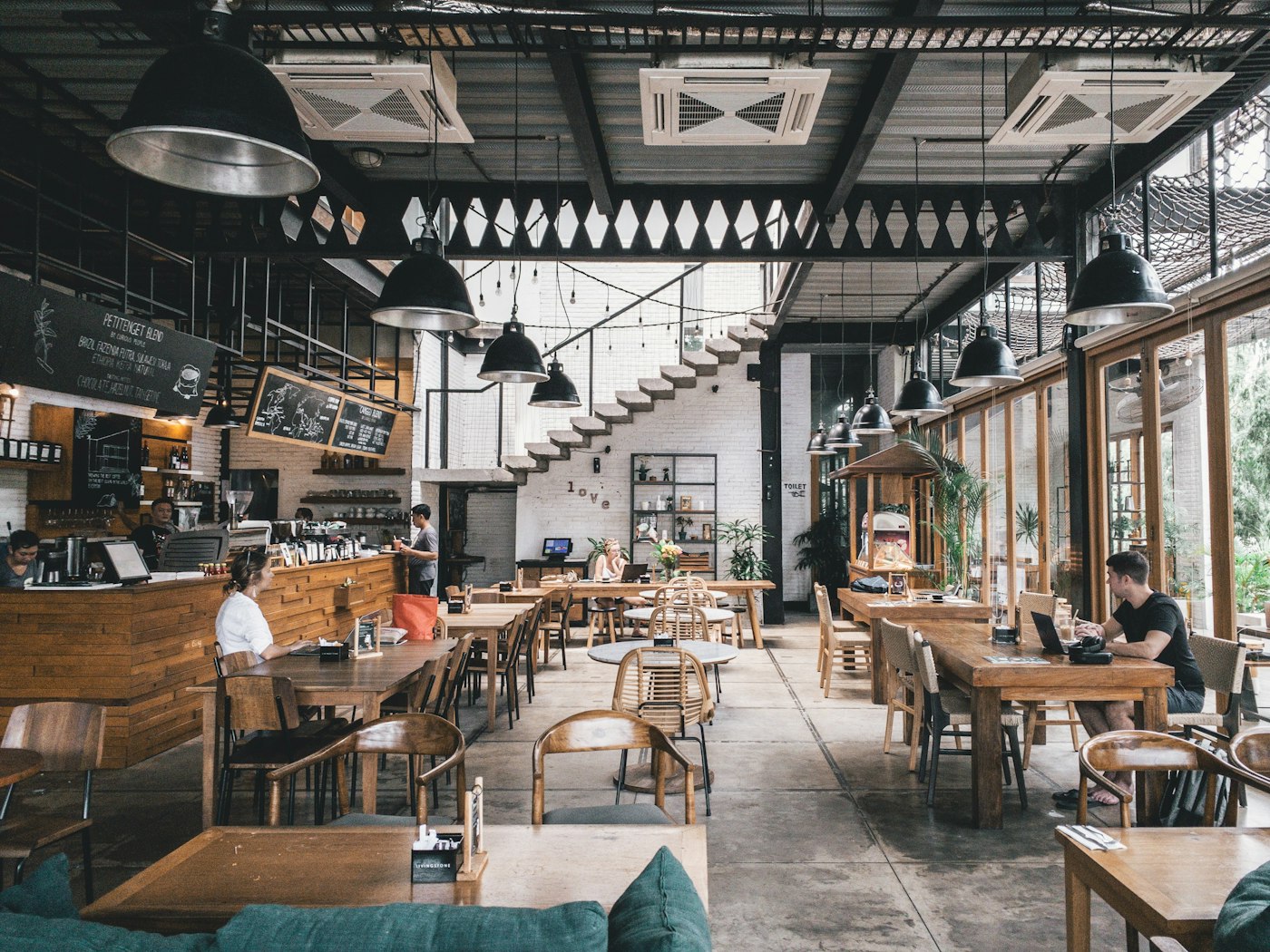
For the Chinese coffee shops — the kopitiams — follow your nose into any old shophouse on the heritage streets of the old quarter. The kopi is roasted with sugar and butter and brewed through a flannel sock until it comes out dense and slightly caramelised. Chee cheong fun, the steamed rice rolls dressed with dark shrimp paste and sesame sauce and a slick of chilli, arrives with it on a plate at breakfast and represents one of the best breakfasts available on the island. The cups are glass or ceramic, the tables are marble or Formica worn smooth, and nobody is in any particular hurry.
The asam laksa is the thing that surprises people who have not had it before. Laksa elsewhere in Malaysia is a rich, coconut-milk affair; Penang’s version is tamarind-sour, the broth made from mackerel, the acidity cutting through the heat and landing somewhere at once familiar and entirely its own. It comes with thick white rice noodles, slivers of cucumber, pineapple, mint, and a dark, shrimpy prawn paste stirred in at the table. It is not comfortable food. It demands your attention. The famous bowl at the Air Itam market has a queue in the middle of the afternoon for a reason, and the reason has not diminished.
The rule for eating well in Penang is the same rule that applies to the city generally. Eat early and often. Carry cash. Bring the kind of patience that is not quite patience but simply the willingness to be present somewhere that rewards being present. The best food in Penang is not a destination but a condition: you achieve it by spending enough time here that the city reveals its rhythms, and you learn to be in the right place when the right stall opens.
This takes longer than a few days. That is the whole point.
Steamboat Nights and Nyonya Kitchens: The Other Penang Table
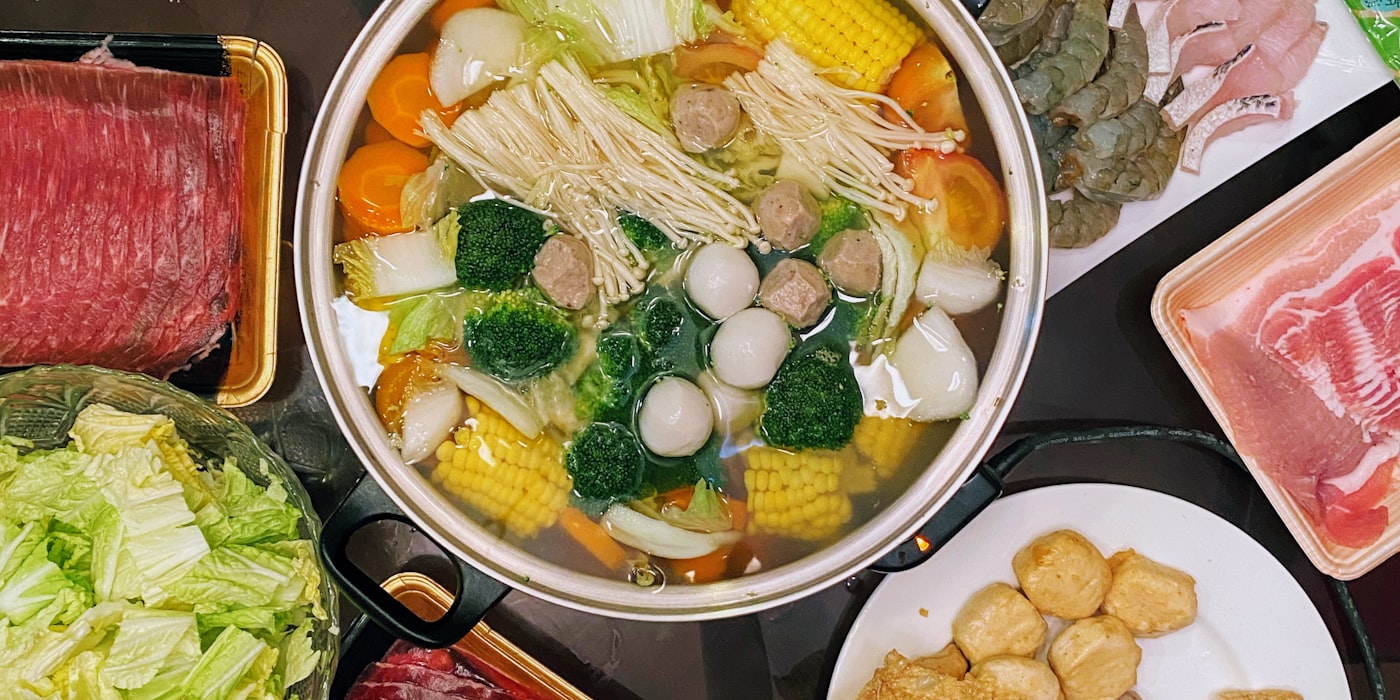
On the communal steamboat pot, the Peranakan kitchen, and the slower, quieter side of eating in George Town.

How to Fall Asleep Faster
The small, evidence-backed habits that make the difference between lying awake and drifting off with ease.